Pisces Mock Lemon Meringue Cake
Highlighted under: Baking & Desserts
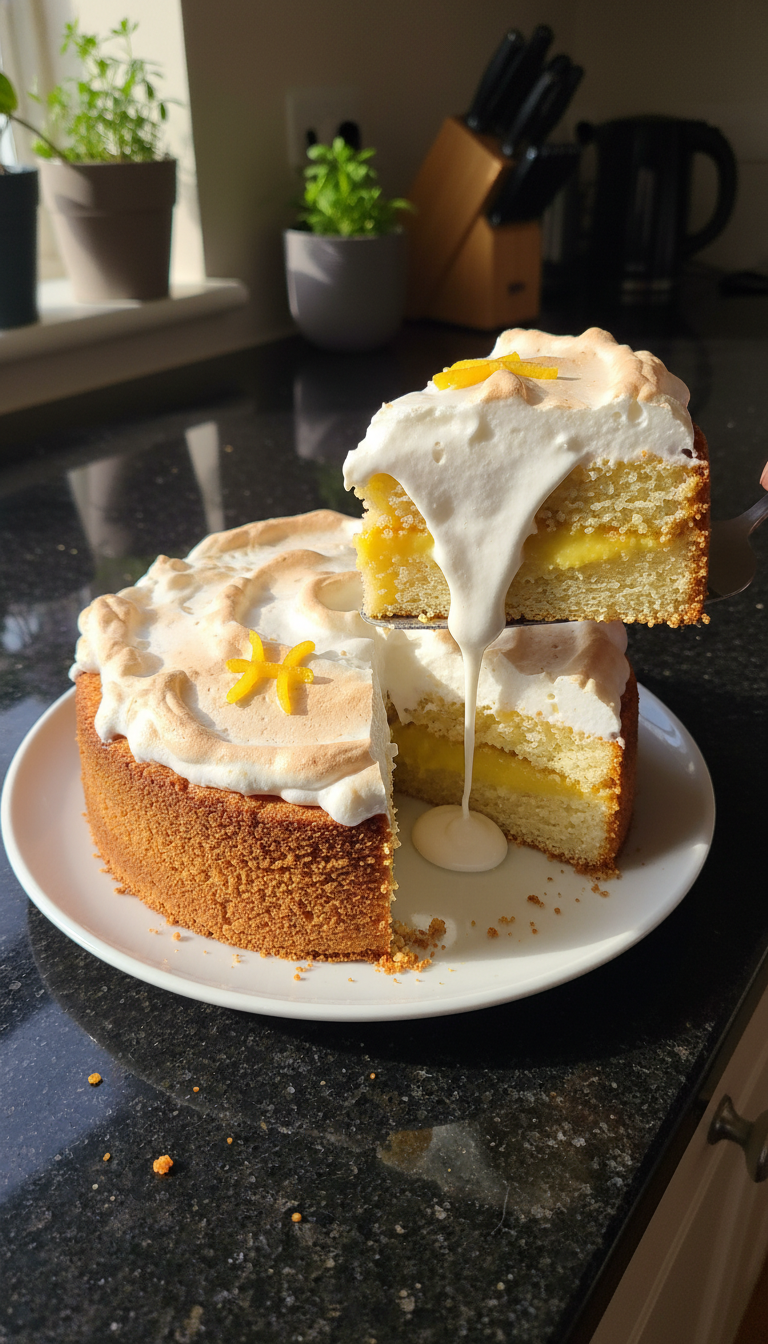
I love making this Pisces Mock Lemon Meringue Cake for special occasions! The bright lemon flavor combined with a fluffy, mock meringue is simply irresistible. This dessert not only looks stunning but also brings a refreshing twist to your table. What’s more, it's a fun way to celebrate delicious flavors without all the fuss of traditional baking. I've perfected this recipe over time and can’t wait for you to experience the joy it brings.
My experience with the Pisces Mock Lemon Meringue Cake has been nothing short of delightful. I stumbled upon this recipe when the craving for lemon desserts hit me hard, and I can confidently say it's become a staple. The trick is to use fresh lemon juice for that zesty kick, and it works wonders in balancing the sweetness.
While preparing the mock meringue can seem daunting, using aquafaba instead of egg whites simplifies the process dramatically. It creates that cloud-like consistency we all adore, allowing you to enjoy the classic taste without any eggs. Trust me, once you serve this cake, everyone will be asking for the recipe!
Reasons You'll Love This Cake
- Bright and zesty lemon flavor that uplifts any gathering
- Light and airy mock meringue that surprises with every bite
- Simple ingredients but incredibly impressive presentation
The Star Ingredient: Lemon
The bright, zesty lemon in this cake is what makes it truly shine. Using fresh lemon juice and zest not only enhances the flavor but also contributes to the cake's moisture and lightness. The acid from the lemon juice works in harmony with the baking powder to create a tender crumb. For an even more pronounced lemon flavor, consider steeping the zest in hot milk before mixing it into the batter - this releases more essential oils and intensifies the citrus profile.
Be mindful of the lemons you choose; organic lemons are often more flavorful and less bitter than conventional ones. When zesting, use a microplane for fine, even results, which will create delicate bursts of lemon flavor throughout the cake. Make sure to avoid zesting the white pith underneath the peel, as it can add bitterness instead of brightness.
Mock Meringue Mastery
Creating the perfect mock meringue with aquafaba can be a game changer for this recipe. The key to achieving those glossy, stiff peaks lies in the right equipment; a stand mixer with a whisk attachment does an excellent job, but a handheld mixer will work too. Ensure your bowl is completely clean and free of any oils for optimal results. Start whipping the aquafaba with cream of tartar on medium speed until soft peaks form before gradually adding the powdered sugar.
For a successful meringue, patience is essential. Once you add the sugar, raise the mixer speed to high and continue whisking until the mixture becomes glossy and holds stiff peaks. This process takes about 7-10 minutes. If your meringue doesn’t reach the desired texture, it may be due to not incorporating the sugar gradually or using aquafaba from a low-quality brand; only the liquid from well-drained chickpeas or high-quality aquafaba will yield the best results.
Serving and Storing
This Pisces Mock Lemon Meringue Cake is visually stunning, making it an ideal centerpiece for celebrations. I recommend serving it with a side of fresh berries or a drizzle of raspberry coulis, which complements the tartness of the lemon perfectly. If you're in the mood for a twist, try adding a layer of lemon curd between the cake and the mock meringue for an extra zing of flavor. Garnish with lemon slices or edible flowers for an elegant touch.
If you have leftovers, store the cake in the refrigerator for up to 3-4 days. Keep in mind that the mock meringue may lose its airy texture over time. For longer storage, consider freezing the cake without the meringue. Wrap tightly in plastic wrap and then in aluminum foil; it will keep well for up to three months. When ready to enjoy, thaw in the refrigerator and prepare fresh mock meringue just before serving.
Ingredients
Ingredients
For the Cake
- 1 ½ cups all-purpose flour
- 1 cup granulated sugar
- ½ cup unsalted butter, softened
- 3 large eggs (or aquafaba equivalent)
- 1 teaspoon baking powder
- ¼ teaspoon salt
- ½ cup milk
- 1 tablespoon lemon zest
- ¼ cup fresh lemon juice
For the Mock Meringue
- 1 cup aquafaba (liquid from canned chickpeas)
- ½ teaspoon cream of tartar
- ½ cup powdered sugar
- 1 teaspoon vanilla extract
Instructions
Instructions
Prepare the Cake Batter
Preheat your oven to 350°F (175°C). Grease and flour a 9-inch round cake pan. In a mixing bowl, combine the flour, sugar, baking powder, and salt. In another bowl, beat the softened butter, eggs (or aquafaba), milk, lemon zest, and lemon juice until smooth. Gradually add the dry ingredients and mix until just combined.
Bake the Cake
Pour the batter into the prepared cake pan and bake for 20-25 minutes, or until a toothpick inserted in the center comes out clean. Once baked, allow it to cool in the pan for 10 minutes before transferring to a wire rack.
Make the Mock Meringue
While the cake cools, prepare the mock meringue. In a large bowl, whisk the aquafaba with cream of tartar until soft peaks form. Gradually add the powdered sugar and vanilla extract, continuing to whisk until stiff peaks are achieved.
Assemble the Cake
Once the cake has completely cooled, spread the mock meringue on top, creating swirls and peaks. You can use a kitchen torch to lightly brown the meringue for a toasted finish if desired.
Pro Tips
- For the best results, make sure your aquafaba is whipped to stiff peaks and work quickly to assemble the cake after baking.
Ingredient Substitutions
This recipe is wonderfully adaptable! If you're looking to make it vegan, substituting eggs with aquafaba is already included in the recipe. For the butter, you can use a plant-based alternative or coconut oil in an equal amount; just be sure to melt it before incorporating it into the batter for the best results. For those avoiding refined sugar, coconut or maple sugar is a solid option—just be mindful that it may alter the batter's moisture slightly, so adjust as needed.
If you're sensitive to gluten, consider substituting the all-purpose flour with a gluten-free blend. It's essential to use one that is specifically designed for 1:1 baking, as this will help mimic the structure that regular flour provides. Additionally, you can enhance flavor with a pinch of xanthan gum for better binding in gluten-free versions.
Common Troubleshooting Tips
If your cake doesn't rise as expected, it could be due to expired baking powder, so always check the freshness of your leavening agents before starting. Also, remember to not overmix once the dry ingredients are added; it's okay if there are a few small lumps. Overmixing can lead to a tougher cake because it develops gluten in the flour.
When it comes to the mock meringue, if it's not forming peaks or appears runny, check your aquafaba. Ideally, you want to use liquid from chickpeas that are well drained and chilled. If things go wrong, try adding a little more cream of tartar or beat it longer, but be cautious not to overwhip, which can create a grainy texture.
Variations to Try
If you want to change up the flavor profile, consider adding different citrus zest, such as lime or orange, in place of part of the lemon. This can create a unique citrus medley that may surprise and delight your guests. Another interesting variation is incorporating herbs like thyme or basil into the cake for a sophisticated twist—finely chop the herbs and add them to the batter for an aromatic touch.
Creating a layered cake by baking in two 9-inch pans allows you to alternate flavors and textures. Try a layer of lemon cake with pronounced berry compote and a layer of vanilla sponge for a stunning multi-layered dessert. Top your creation with mock meringue and fresh fruit for an indulgent yet refreshing dessert.
Questions About Recipes
→ Can I make this cake ahead of time?
Yes, you can bake the cake a day in advance. Just wait to add the mock meringue until right before serving.
→ What can I substitute for aquafaba?
If you prefer, you can use egg whites instead of aquafaba in the mock meringue.
→ How do I store leftovers?
Store any leftover cake in an airtight container in the refrigerator for up to 3 days.
→ Can I use other flavors instead of lemon?
Absolutely! Try substituting lime juice or even orange zest for a different flavor profile.
Pisces Mock Lemon Meringue Cake
Created by: The Epicurelane Team
Recipe Type: Baking & Desserts
Skill Level: Intermediate
Final Quantity: 8 servings
What You'll Need
For the Cake
- 1 ½ cups all-purpose flour
- 1 cup granulated sugar
- ½ cup unsalted butter, softened
- 3 large eggs (or aquafaba equivalent)
- 1 teaspoon baking powder
- ¼ teaspoon salt
- ½ cup milk
- 1 tablespoon lemon zest
- ¼ cup fresh lemon juice
For the Mock Meringue
- 1 cup aquafaba (liquid from canned chickpeas)
- ½ teaspoon cream of tartar
- ½ cup powdered sugar
- 1 teaspoon vanilla extract
How-To Steps
Preheat your oven to 350°F (175°C). Grease and flour a 9-inch round cake pan. In a mixing bowl, combine the flour, sugar, baking powder, and salt. In another bowl, beat the softened butter, eggs (or aquafaba), milk, lemon zest, and lemon juice until smooth. Gradually add the dry ingredients and mix until just combined.
Pour the batter into the prepared cake pan and bake for 20-25 minutes, or until a toothpick inserted in the center comes out clean. Once baked, allow it to cool in the pan for 10 minutes before transferring to a wire rack.
While the cake cools, prepare the mock meringue. In a large bowl, whisk the aquafaba with cream of tartar until soft peaks form. Gradually add the powdered sugar and vanilla extract, continuing to whisk until stiff peaks are achieved.
Once the cake has completely cooled, spread the mock meringue on top, creating swirls and peaks. You can use a kitchen torch to lightly brown the meringue for a toasted finish if desired.
Extra Tips
- For the best results, make sure your aquafaba is whipped to stiff peaks and work quickly to assemble the cake after baking.
Nutritional Breakdown (Per Serving)
- Calories: 320 kcal
- Total Fat: 14g
- Saturated Fat: 8g
- Cholesterol: 45mg
- Sodium: 150mg
- Total Carbohydrates: 44g
- Dietary Fiber: 1g
- Sugars: 24g
- Protein: 3g