Traditional Marinara Sauce
Highlighted under: Global Flavors
I’ve always believed that a good marinara sauce can elevate any dish, from pasta to pizza. When I first tried making my own marinara, I was amazed by how simple ingredients like tomatoes, garlic, and olive oil could come together to create such a rich, vibrant flavor. After numerous attempts and adjustments, I found the perfect balance of herbs and spices that make this sauce truly traditional. This recipe not only pays homage to Italian cuisine but also allows me to share a piece of my kitchen history with you.
When I first set out to create a marinara sauce that resonated with the authentic flavors of Italy, I discovered the magic of using high-quality tomatoes. I remember using canned San Marzano tomatoes, which gave the sauce a depth of flavor I hadn’t achieved before. The method I honed involved gentle simmering, allowing all the flavors to blend harmoniously. It’s important not to rush this step, as the longer cooking time helps the sauce thicken and the flavors deepen.
One detail I learned along the way is that adding a pinch of sugar can help balance the acidity of the tomatoes. Initially, I was hesitant, thinking it might alter the sauce's integrity, but it turns out to be a small yet powerful addition. This trick led to a sauce that can stand the test of time and be a delightful accompaniment to various dishes!
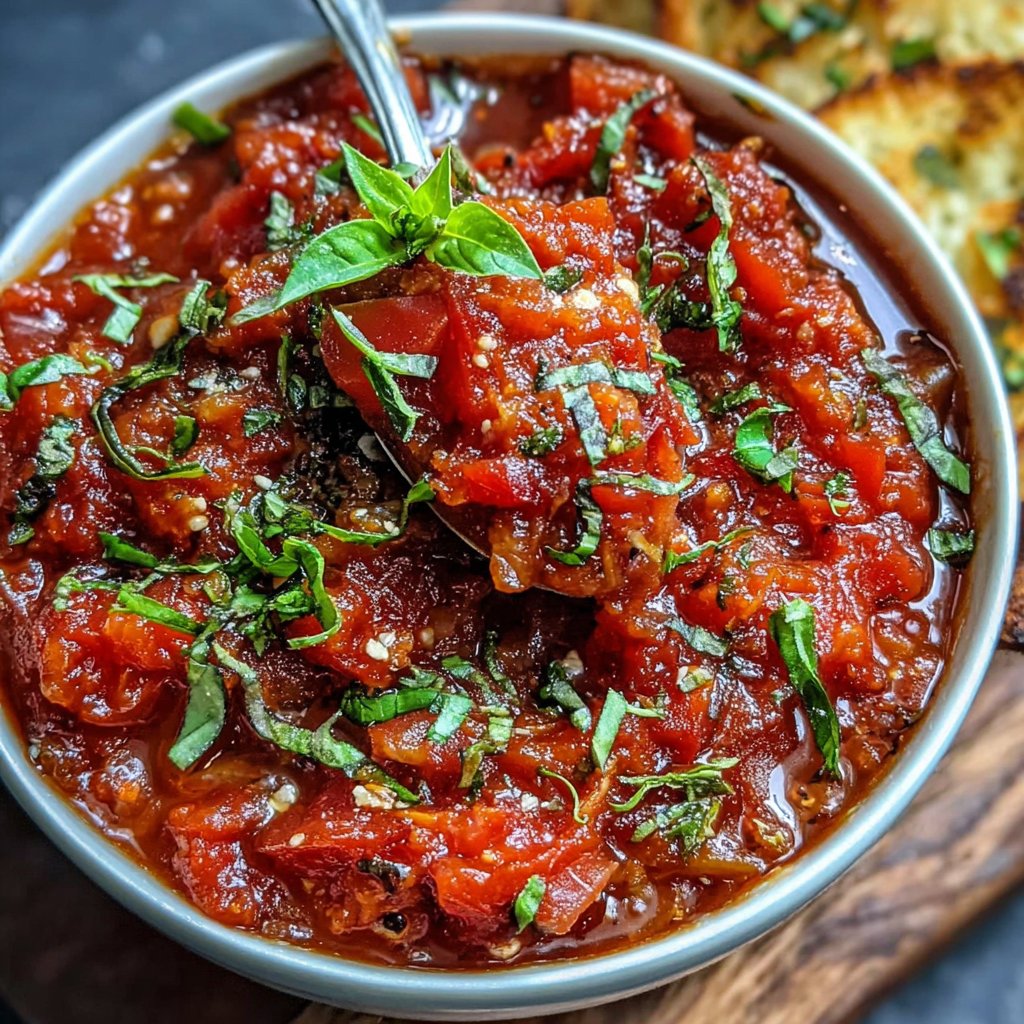
Why You Will Love This Recipe
- Rich and authentic tomato flavor bursting with freshness
- Versatile sauce perfect for pasta, pizza, or as a dip
- Simple ingredients that create complex layers of taste
The Role of Ingredients
Each ingredient in this marinara sauce plays a crucial role in creating its authentic flavor. The San Marzano tomatoes are particularly important; their natural sweetness and low acidity provide a rich base for the sauce. When choosing tomatoes, look for cans labeled as San Marzano, and ensure they are packed in their own juices, as this contributes to a thicker consistency and deeper flavor profile.
Garlic is another essential component, as it adds a dynamic depth to the sauce. Be sure to sauté the minced garlic until it becomes fragrant, but avoid browning it, as burnt garlic can impart a bitter taste. Fresh basil not only complements the other flavors but also adds a beautiful aromatic quality that elevates the sauce when served.
Perfecting the Cooking Process
The simmering stage is vital for developing the sauce's full flavor. Cooking the marinara over low heat for 30 minutes allows the ingredients to meld together beautifully. If you're short on time, a shorter simmer of at least 15-20 minutes can still yield a decent sauce, but the longer, slower cook allows the flavors to deepen significantly. Look for the sauce to thicken and become glossy as it cooks.
If you prefer a smoother texture, consider using an immersion blender at the end of the cooking process. This simple tool allows you to blend the sauce directly in the pot without transferring it, avoiding spills and mess. Just give it a few quick pulses until you achieve your desired consistency.
Ingredients
Gather these fresh ingredients to make the perfect marinara sauce:
Marinara Sauce Ingredients
- 2 tablespoons olive oil
- 4 cloves garlic, minced
- 1 can (28 ounces) San Marzano tomatoes, crushed
- 1 teaspoon dried oregano
- 1 teaspoon dried basil
- 1/2 teaspoon red pepper flakes
- Salt, to taste
- Fresh basil leaves, for garnish
With these ingredients on hand, you're ready to start cooking!
Instructions
Follow these simple steps to create a delectable marinara sauce:
Sauté the Garlic
Heat the olive oil in a medium saucepan over medium heat. Add the minced garlic and sauté for about 1 minute until fragrant, being careful not to burn it.
Add Tomatoes and Herbs
Stir in the crushed tomatoes, oregano, basil, and red pepper flakes. Season with salt to taste and mix well.
Simmer the Sauce
Bring the sauce to a gentle simmer, then reduce the heat to low. Let it cook uncovered for about 30 minutes, stirring occasionally to prevent sticking.
Adjust and Garnish
After 30 minutes, taste the sauce and adjust salt or add a pinch of sugar if needed. Serve hot, garnished with fresh basil leaves.
Your homemade marinara sauce is now ready to be enjoyed!
Pro Tips
- For an extra layer of flavor, try adding a splash of red wine while the sauce simmers. If you prefer a smoother sauce, use an immersion blender to purée it to your desired consistency.
Storage and Freezing Tips
This marinara sauce can be made ahead of time and stored in the refrigerator for up to one week. To refrigerate, allow the sauce to cool completely, then transfer it to an airtight container. When reheating, bring it to a warm simmer on the stovetop, adding a splash of water or broth if it has thickened too much.
For longer storage, consider freezing your marinara sauce. Portion it into freezer bags or airtight containers, and it can last up to three months. Be sure to leave some space at the top of the containers as the sauce will expand when frozen. Thaw overnight in the fridge before reheating, or use the defrost setting on your microwave.
Serving Variations
While this traditional marinara is perfect for spaghetti or as a pizza base, consider using it as a dipping sauce for bread sticks or mozzarella sticks for a delightful appetizer. You can also change up the flavors by adding a splash of red wine during the simmering process for a deeper, more complex taste.
For a heartier dish, try adding sautéed vegetables like zucchini or bell peppers to the sauce. You can also incorporate protein, such as cooked ground beef or turkey, making the sauce a robust topping for various pasta dishes. This versatility ensures that you can enjoy this marinara in various ways, keeping each meal exciting.
Questions About Recipes
→ Can I use fresh tomatoes instead of canned?
Yes, you can use fresh tomatoes. About 2 pounds of ripe tomatoes will work well. Blanch, peel, and crush them before adding them to the sauce.
→ How long can I store the marinara sauce?
The sauce can be stored in the refrigerator for up to 5 days or frozen for up to 3 months.
→ What dishes can I use marinara sauce with?
Marinara sauce is versatile and can be used with pasta, on pizza, or as a dipping sauce for breadsticks or mozzarella sticks.
→ Can I make this sauce spicy?
Absolutely! Increase the amount of red pepper flakes or add fresh chopped chilies for a spicier kick.
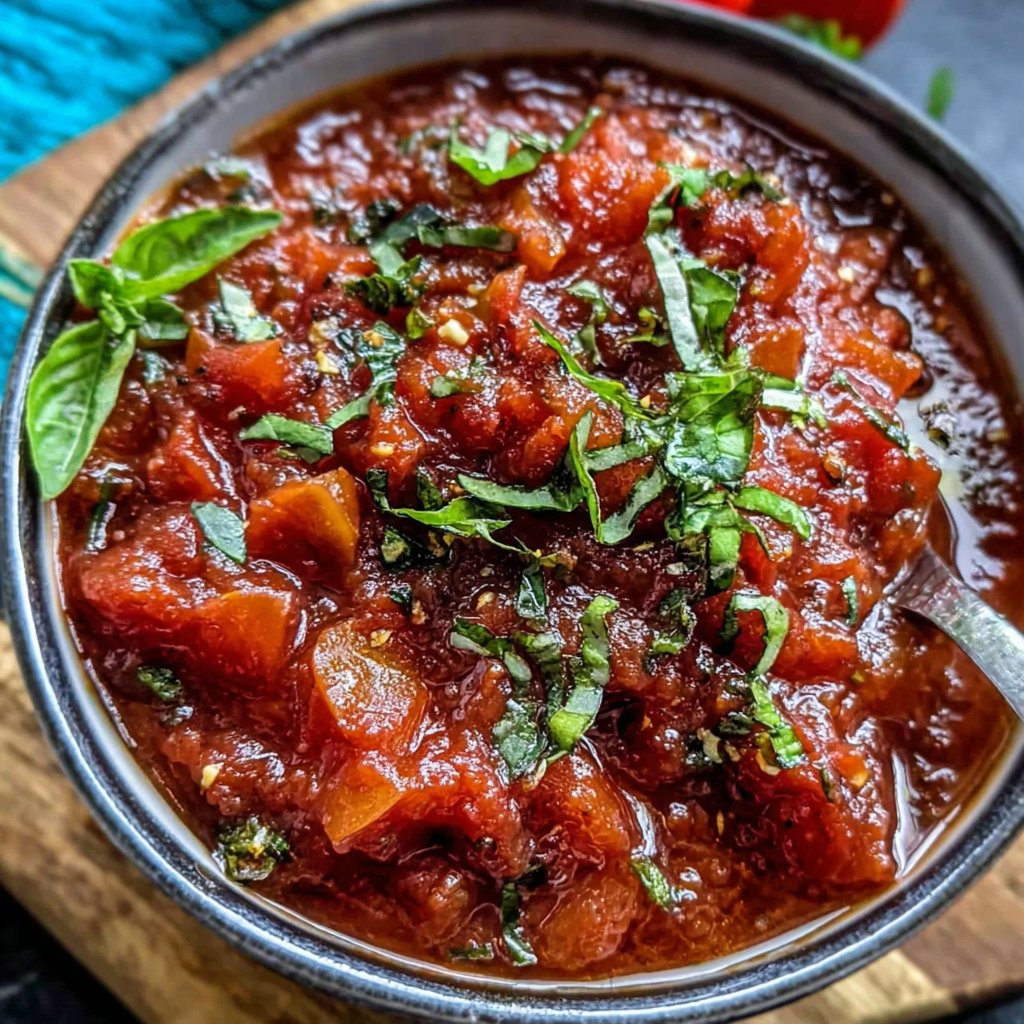
Traditional Marinara Sauce
Created by: The Epicurelane Team
Recipe Type: Global Flavors
Skill Level: Beginner
Final Quantity: 4 cups
What You'll Need
Marinara Sauce Ingredients
- 2 tablespoons olive oil
- 4 cloves garlic, minced
- 1 can (28 ounces) San Marzano tomatoes, crushed
- 1 teaspoon dried oregano
- 1 teaspoon dried basil
- 1/2 teaspoon red pepper flakes
- Salt, to taste
- Fresh basil leaves, for garnish
How-To Steps
Heat the olive oil in a medium saucepan over medium heat. Add the minced garlic and sauté for about 1 minute until fragrant, being careful not to burn it.
Stir in the crushed tomatoes, oregano, basil, and red pepper flakes. Season with salt to taste and mix well.
Bring the sauce to a gentle simmer, then reduce the heat to low. Let it cook uncovered for about 30 minutes, stirring occasionally to prevent sticking.
After 30 minutes, taste the sauce and adjust salt or add a pinch of sugar if needed. Serve hot, garnished with fresh basil leaves.
Extra Tips
- For an extra layer of flavor, try adding a splash of red wine while the sauce simmers. If you prefer a smoother sauce, use an immersion blender to purée it to your desired consistency.
Nutritional Breakdown (Per Serving)
- Calories: 120 kcal
- Total Fat: 6g
- Saturated Fat: 1g
- Cholesterol: 0mg
- Sodium: 230mg
- Total Carbohydrates: 16g
- Dietary Fiber: 3g
- Sugars: 5g
- Protein: 3g